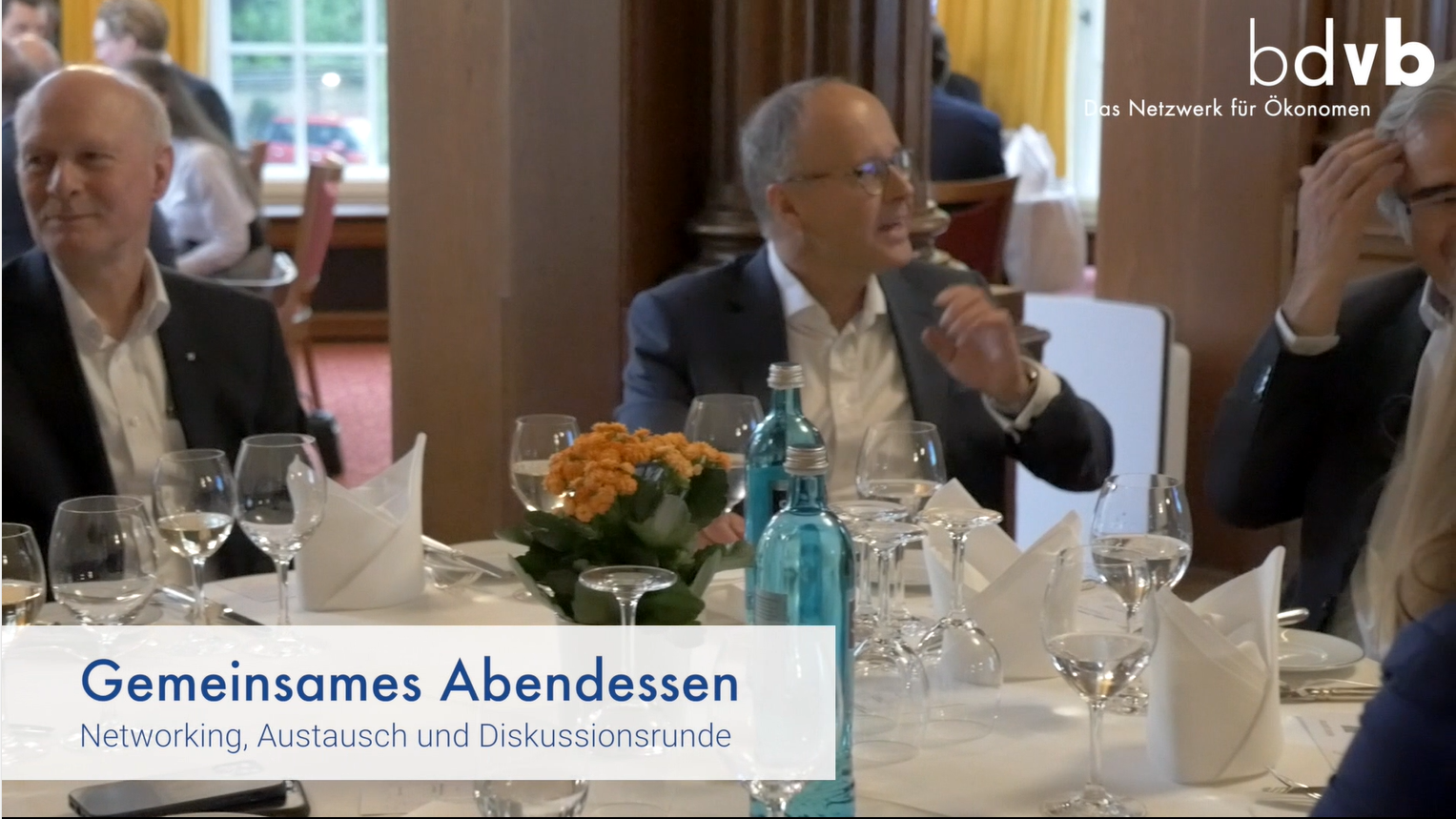


Family businesses are the backbone of the German and European economy. They stand for innovation, tradition, and sustainable growth—and at the same time, they navigate through a host of new challenges: digitalization, ESG, geopolitical risks, and complex succession planning. Together with the bdvb – Federal Association of German Economists—we discussed these topics on April 8, 2022, at Villa Bonn in Frankfurt with guests from business, academia, and consulting.
The event brought together insights from academia and practice:
-
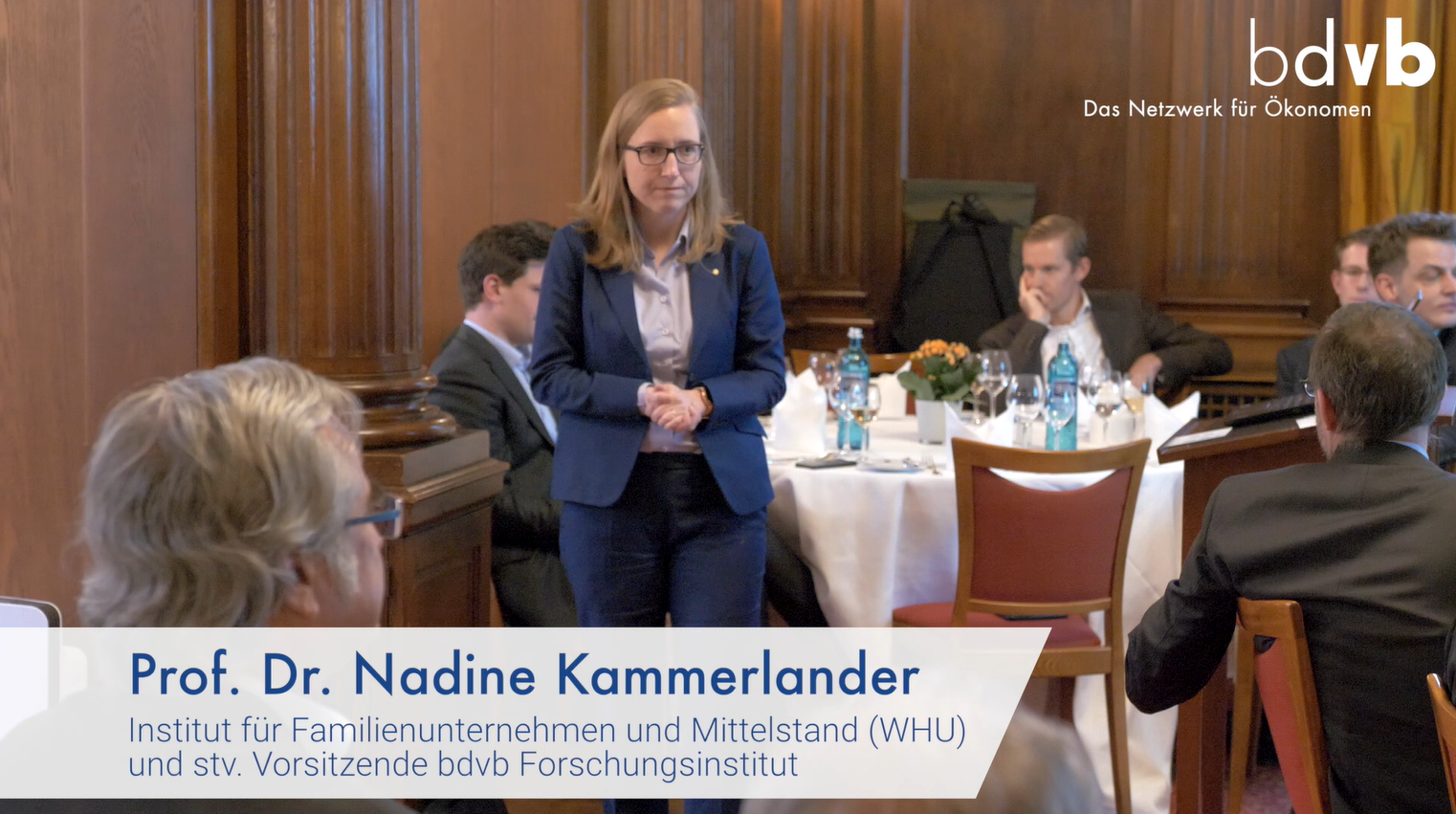
Prof. Dr. Nadine Kammerlander (WHU): Family Businesses – Engine of Success for the Sustainable Development of Our Economy
-
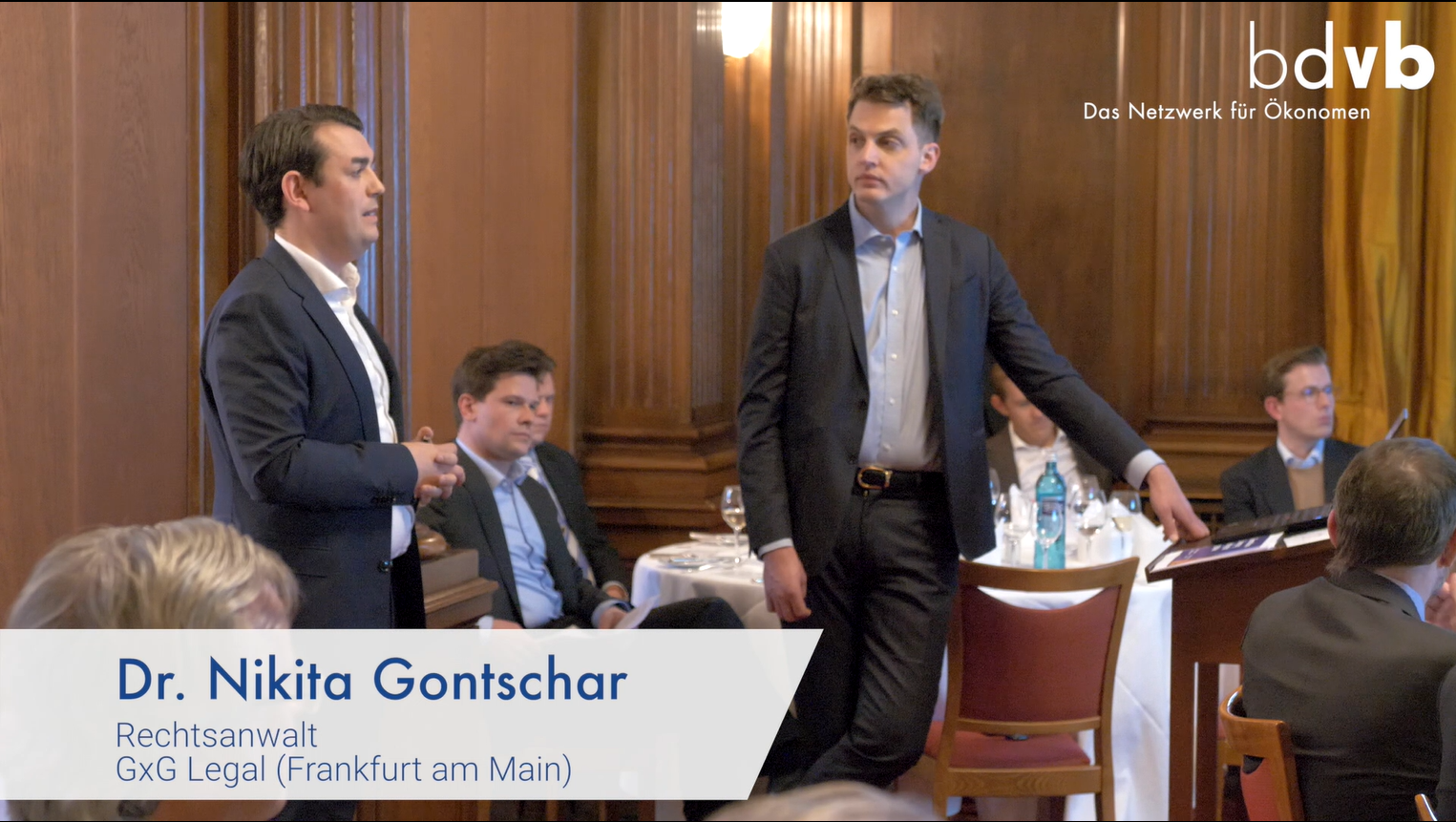
Dr. Nikita Gontschar (GxG Legal): Successfully Managing Generational Transitions
-
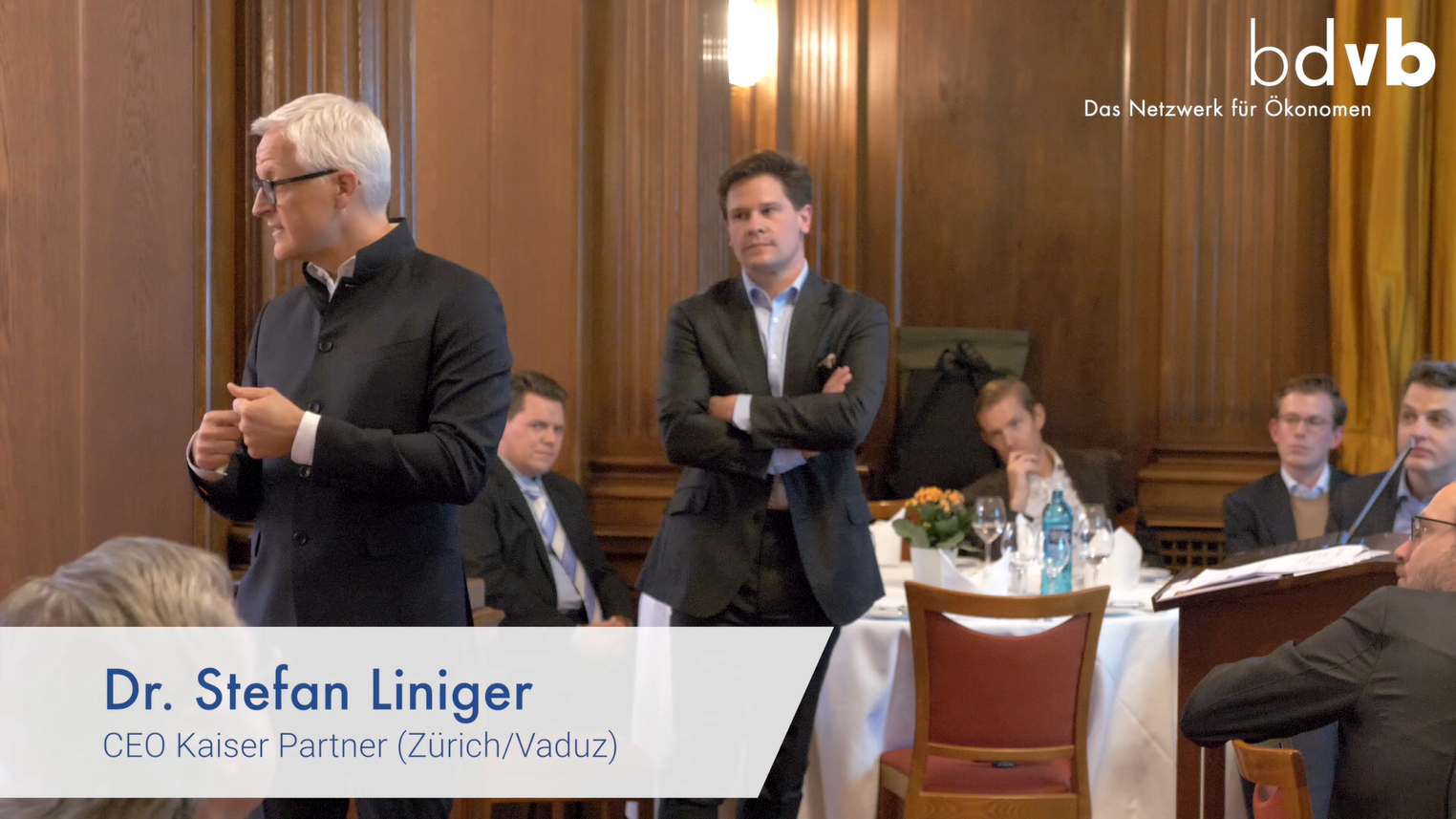
Dr. Stefan Liniger (Kaiser Partner): Securing and Growing Family Wealth Over the Long Term
Four guiding questions for entrepreneurial families, family offices, and their advisors emerged from the dialogue:
Asset Protection & Portfolio Management:
How do we protect family wealth in volatile times—legally, structurally, and in the capital markets? Robust setups separate liability sources (operating vs. holding), maintain liquidity buffers, and align allocations with clear risk budgets rather than intuition.
Succession & Next Gen:
Which models work in the long term? Successful succession combines early governance (family constitution, committees, competency profiles) with targeted qualification of the next generation—and realistic timelines. Transitions rarely fail due to legal issues, but more often due to expectations, roles, and communication.
ESG & Responsible Investing:
ESG is not a "nice to have," but directly impacts reputation, financing costs, and deal access. Critical is the translation of objectives into measurable metrics (e.g., CO₂ intensity per revenue, supply chain KPIs) and into investment guidelines that anticipate rating/regulatory risks without stifling opportunities.
Family Offices & Internationalization:
With growing complexity, the demands on deal sourcing, manager selection, and governance increase. Trending topics: club deals with co-investors, thematic satellite mandates (e.g., infrastructure, private credit), and structures that cleanly resolve cross-border tax, regulatory, and liability issues.
The presentations made clear that successful family businesses thrive primarily on clear governance: orderly succession, transparent decision-making processes, and early involvement of the next generation. Only in this way can conflicts be avoided and wealth secured over the long term. At the same time, the resilience of the portfolio is gaining importance—through clean separation of liability sources, clear risk budgets, and diversification. ESG criteria are no longer an "add-on," but directly influence financing, reputation, and investment access.
The central conclusion: Those seeking to preserve family wealth for future generations require an interplay of legally stable structures, professional portfolio management, and an open family culture. Sustainability, internationalization, and the qualification of the next generation are the key factors for future viability.
Links: Event Page Video Impressions